
A New Chapter in Hair Restoration for Merced Residents
Platelet-rich plasma (PRP) therapy is a non-surgical treatment that uses a patient's own blood to promote hair regrowth and accelerate healing. The process begins with a simple blood draw, similar to a routine lab test. The sample is then placed in a centrifuge, a machine that spins at high speed to separate the blood into its component layers. The result is a concentrated solution of platelets, which are rich in growth factors that signal your body's natural repair mechanisms to kick in.
When this platelet-rich plasma is injected into the scalp, it works to stimulate hair follicles that have shrunk or become dormant. According to a 2015 review published in the journal PMC, the growth factors in PRP can prolong the anagen (growth) phase of the hair cycle, increase follicle size, and promote the development of new blood vessels around the follicle (source). This is a key difference from surgical options like hair transplants, which physically relocate hair follicles; PRP aims to revitalize the ones you already have.
What to Expect During Your PRP Session
A typical appointment at Advanced Integrative Medicine begins with a comprehensive medical evaluation by Dr. Jaimal Sangha, a local physician with a decade of experience. If you're a candidate, the procedure itself is relatively quick, often completed within an hour. After numbing the treatment area, the platelet-rich plasma is injected strategically across the scalp. Most patients tolerate the procedure well, and the discomfort is minimal. There is no downtime, so you can return to your normal activities immediately afterward.
Many patients wonder when they'll see results. It's important to have realistic expectations. Hair growth is a slow process, and it typically takes several weeks to notice changes. You may need a series of three or four sessions spaced about a month apart to achieve optimal results. A study from Harvard Health notes that improvements in hair density and thickness are often observed after multiple treatments. The focus is on gradual, natural-looking improvement, not a dramatic overnight change.
- Minimal discomfort: The injections are typically well-tolerated, and a topical anesthetic can be applied beforehand.
| Aspect | PRP Therapy | Hair Transplant Surgery |
|---|---|---|
| Invasiveness | Non-surgical, injection-based | Surgical, requires incisions |
| Downtime | None | Several days to a week |
| Mechanism | Stimulates existing follicles | Relocates hair follicles |
| Results | Gradual, over several months | More immediate, but with a longer recovery |
| Sessions | Usually a series of 3-4 | Typically one session |
| Cost | Generally lower per session | Often higher overall cost |
How PRP Therapy Works for Hair Loss
 Platelet-rich plasma, or PRP, is a regenerative treatment that has gained serious traction in hair restoration. The premise is straightforward: your own blood is spun in a centrifuge to concentrate the platelets, which are rich in growth factors that stimulate hair follicles. But does the science actually support the hype? Research published in the National Institutes of Health's PubMed database indicates that PRP does promote hair regrowth, with the growth factors in your platelets helping to revive dormant follicles and extend the growth phase of the hair cycle. This isn't a new-age fad; it's a biologically grounded approach that your body can work with.
A 2021 review in the Journal of Cosmetic Dermatology reinforces this, stating that PRP is a safe and effective treatment for androgenetic alopecia, the most common form of hair loss. Similarly, experts at Harvard Medical School and Johns Hopkins Medicine confirm that PRP works by delivering a concentrated dose of growth factors directly to the scalp, which encourages healing and regeneration in the hair follicle. The evidence is strong enough that many physicians now offer PRP as first-line therapy for thinning hair, and at Advanced Integrative Medicine in Merced, it's a core part of the approach to non-surgical hair restoration.
The Biological Mechanism: More Than Just Blood
To understand why PRP works, it helps to look at what's actually in your blood. Platelets are tiny cells responsible for clotting, but they also release over 300 different growth factors that signal your body to heal. When injected into the scalp at the level of the hair follicle, these growth factors stimulate the dermal papilla cells, which are essential for hair growth, and they improve blood supply to the follicle. This process can effectively 'wake up' miniaturized hair follicles that are shrinking due to genetics or hormonal changes, helping them produce thicker, healthier strands.
Your blood is spun in a centrifuge to separate the PRP from other blood components, concentrating the platelets to a level that's 3 to 5 times higher than normal. This concentrated plasma is then injected into the target areas of your scalp. The entire procedure is performed in-office at Advanced Integrative Medicine with minimal discomfort, and there's no downtime. For most patients, a course of 3 to 4 sessions spaced about a month apart is recommended, followed by maintenance treatments every 6 to 12 months to sustain the results.
Why the Evidence Says It Works: A Look at the Studies
The clinical data on PRP for hair loss is compelling and continues to grow. A major review published in the Journal of Cutaneous and Aesthetic Surgery found that PRP significantly increases hair density and thickness, particularly in men and women with androgenetic alopecia. The study authors noted that PRP outperformed a placebo and showed results comparable to finasteride (Propecia) and minoxidil (Rogaine) without the systemic side effects. Another key finding is that PRP works for a variety of hair loss presentations, from pattern baldness at the crown to thinning at the temples.
It's important to note that the evidence is nuanced. Not every study uses the exact same protocol, and results can vary based on the skill of the practitioner and the patient's specific condition. However, the Harvard Health Blog published an analysis of existing studies and concluded that PRP is a low-risk, evidence-based option that's worth trying before considering hair transplant surgery. For a patient in Merced looking for a non-invasive start, PRP offers a science-backed path that doesn't require incisions or a long recovery.
PRP at Advanced Integrative Medicine: An Integrative Approach
At Advanced Integrative Medicine, PRP isn't a standalone magic bullet; it's part of a comprehensive, evidence-based strategy. The practice led by Dr. Jaimal Sangha, who has a decade of experience in regenerative medicine, takes a conservative approach that combines PRP with a thorough medical evaluation. This evaluates underlying factors like nutrient deficiencies, hormonal imbalances, or autoimmune conditions that could be contributing to your hair loss. By addressing the whole person, not just the symptom, the clinic maximizes the chances of effective, lasting results.
What truly sets the practice apart is how they pair PRP with other non-surgical modalities. For many patients, PRP injections are combined with chiropractic care or other supportive therapies listed on their website to boost overall blood flow and reduce inflammation. Dr. Sangha's philosophy is clear: offer PRP as a way to improve hair density and stimulate natural growth, but always as part of a personalized plan. This means you're not just getting a shot; you're getting a strategy rooted in the best available science to promote healing from within.
| Approach | What It Does | Advanced Integrative Medicine Advantage | Typical Results Timeline |
|---|---|---|---|
| PRP Therapy | Concentrated platelets stimulate hair follicles and extend growth phase | Personalized protocol targeting root causes like deficiency or hormone imbalance | Visible improvement in 3-6 months with maintenance every 6-12 months |
| Topical Treatments (Minoxidil) | Over-the-counter solution that widens blood vessels and promotes blood flow | Cannot address underlying hormonal or immune-related hair loss; PRP offers deeper, more targeted action | 4-6 months with continued use; shedding may occur initially |
| Oral Medications (Finasteride) | DHT-blocking pill that reduces hormonal hair loss | Potential side effects; PRP avoids systemic medications and their associated risks | 6-12 months; effects cease if you stop taking |
| Hair Transplant Surgery (FUT/FUE) | Surgical relocation of hair follicles from a donor site | Expensive, invasive, and requires downtime; PRP at Advanced Integrative Medicine is non-surgical with no scarring | 6-12 months for full results; requires a lifetime commitment |
For those considering PRP for hair loss, the choice between a standard clinic and an integrative practice comes down to outcomes. At Advanced Integrative Medicine, the focus is on precision and personalization. Each patient's blood is analyzed for platelet count and growth factor levels, and the injection technique is customized to target areas with the most thinning. This level of detail is what separates a generic PRP treatment from a truly effective, long-term solution for hair restoration in the Central Valley.
In the landscape of hair loss treatments, Advanced Integrative Medicine in Merced offers a scientifically grounded, non-surgical alternative to pharmaceutical interventions and surgery. With a commitment to evidence-based care and a patient-first philosophy, the practice is leading the way in regenerative medicine for residents of Merced and the surrounding areas. If you're ready to explore what PRP can do for your hair, reaching out for a comprehensive consultation is the first step toward understanding your options with a doctor who listens and prescribes with precision.
The Science: Evidence From Clinical Studies
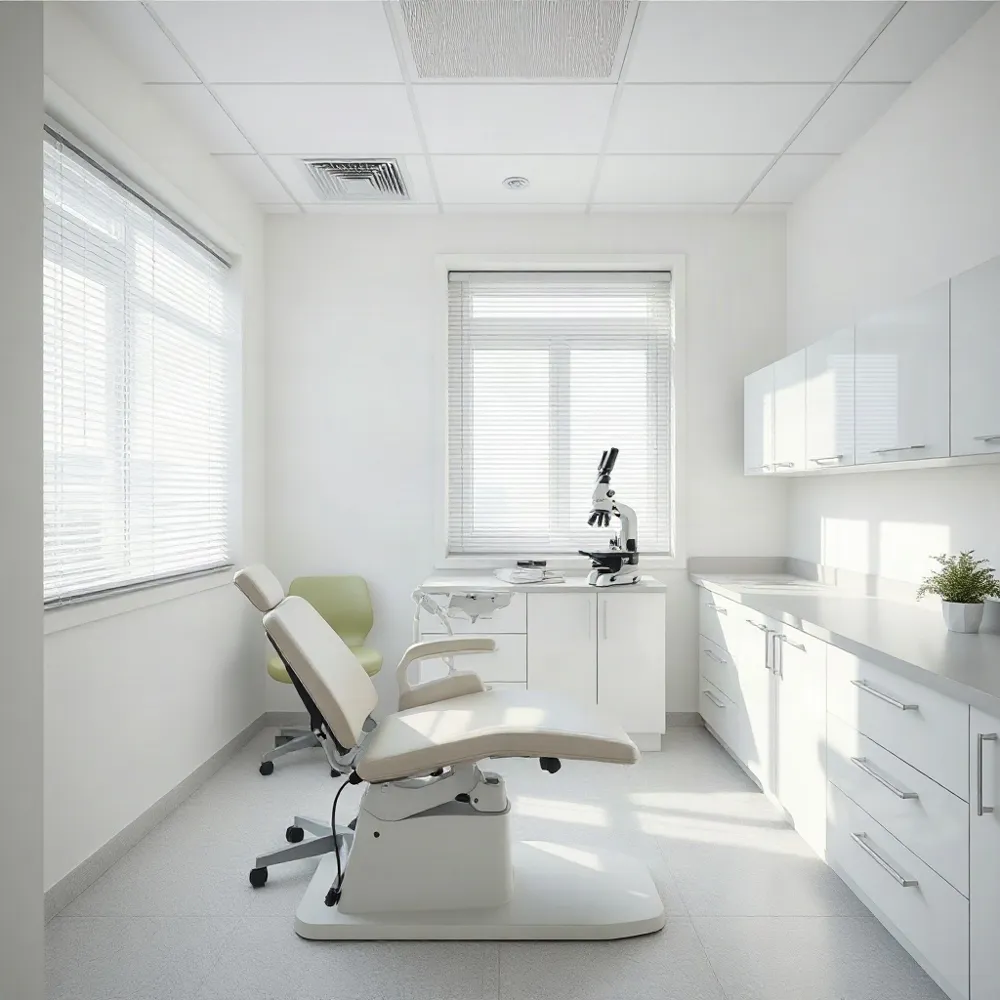 PRP (platelet-rich plasma) therapy has become one of the more talked-about non-surgical options for hair loss, but how well does it actually work? The short answer: early and mid-stage research shows real promise, but results are not instant. Instead of promising a dramatic overnight fix, a responsible provider sets expectations around a treatment process that unfolds over weeks and months. A 2020 review in the Journal of the American Academy of Dermatology (via Harvard Health) noted that PRP appears to increase hair density and thickness for people with androgenetic alopecia, though published studies vary widely in protocols and patient selection. In other words, the evidence supports PRP as a reasonable piece of a broader hair-restoration plan, not as a miracle standalone.
What to Expect From PRP Hair Therapy
 Platelet-rich plasma (PRP) therapy uses your body's own healing factors to stimulate hair follicles after they've begun to thin. The treatment draws from well-documented research: a study published in the journal Platelets found that PRP could help promote hair regrowth in individuals with androgenetic alopecia, a common form of pattern hair loss.
- The provider draws the patient's blood at the start of the visit, typically around 20 to 30 milliliters.
- The blood is placed in a centrifuge and spun to separate the platelet-rich fraction from red blood cells.
- The concentrated platelets are mixed with a small amount of calcium chloride and then injected into the scalp along the affected areas.
Many practices have adopted this procedure because it is minimally invasive, requires no general anesthesia, and involves little downtime. Patients commonly ask whether the injections hurt; in reality, most people tolerate them well because the skin is numbed with a topical anesthetic cream beforehand. The needle size is similar to that used for Botox or cosmetic fillers, so the sensation is manageable for most. Afterward, patients can typically return to regular activities the same day, though some mild soreness or redness at the injection sites may occur for a short period.
Comparing PRP to Hair Transplant Surgery
For Merced residents watching their hair thin, the search usually turns to two broad camps: surgical hair transplants or prescription medications. But there is a third path that sits between them, one that uses the body's own biology. Platelet-rich plasma (PRP) therapy concentrates the growth factors from a sample of your own blood and injects them directly into the scalp. The goal is to wake up dormant hair follicles, thicken existing strands, and slow the progression of androgenetic alopecia, the most common form of hereditary hair loss.
The appeal is that PRP is non-surgical, uses no synthetic chemicals, and requires no downtime. Four decades of research support its use, though the evidence varies by condition and treatment protocol. Per a 2015 review in the Journal of the American Academy of Dermatology, PRP demonstrated significant effectiveness in treating androgenetic alopecia, with no major side effects reported. A more recent 2022 review in the Journal of Clinical Medicine echoed these findings, noting that PRP consistently improved hair density and thickness across multiple studies, while acknowledging that results depend on patient selection and the number of sessions.
Who Is the Best Candidate?
PRP works best on early to moderate hair loss, especially when the thinning is concentrated at the crown, the temples, or the top of the scalp. It is less effective for completely bald areas where the follicle has scarred over, and it is not appropriate for those with active infections, certain blood disorders, or an inactive thyroid. A 2020 Harvard Medical School review noted that PRP appears most beneficial for patients in the early stages of pattern hair loss, and that results improve with repeat treatments every 4 to 6 weeks for the first few months, followed by maintenance sessions every 3 to 6 months. The full effect typically becomes visible after three to six sessions, and results can last up to a year with proper maintenance.
PRP vs. Hair Transplants: A Side-by-Side Comparison
Invasiveness. Hair transplants require local anesthesia, incisions, and a recovery period of several days to a week. PRP is a simple injection series, often done in under an hour, with no cutting or stitching. Patients at Advanced Integrative Medicine in Merced can typically return to their normal routine the same day.
Downtime and Recovery. Transplant patients deal with scabbing, swelling, and a visible donor site for a week or more. PRP involves only minor soreness and possibly a few tiny red bumps, which usually subside within 24 to 48 hours. There is no need to take time off work.
Cost and Accessibility. Hair transplants in the U.S. typically cost between $4,000 and $15,000, and the price multiplies depending on the number of grafts. PRP sessions are generally a fraction of that cost, making it a more accessible entry point for many Merced families.
Scarring and Risk. Transplants leave linear or follicular-unit scars that are permanent. PRP carries minimal risk of scarring; the primary side effects are temporary redness, mild swelling, and, rarely, injection-site infection.
Onset and Duration of Results. Transplanted hair begins to grow at three to four months, with full results at 12 to 18 months, but the transplanted hair can then enter a telogen phase and shed temporarily. PRP shows progress within two to three months of starting sessions, with results building gradually and lasting up to a year.
The choice ultimately comes down to your stage of hair loss, your budget, and how much time you can dedicate to a treatment plan. For advanced baldness, a transplant might be the only thing that restores density. For early to moderate thinning, or as a way to maintain existing hair before considering surgery, PRP offers a conservative, lower-cost alternative. At Advanced Integrative Medicine, Dr. Jaimal Sangha and his team evaluate your scalp health, medical history, and hair loss pattern before recommending a plan. They prioritize non-surgical options first, reserving surgical referral only when PRP alone is unlikely to meet your goals.
| Factor | PRP | Hair Transplant |
|---|---|---|
| Invasiveness | Injection-only, no incision | Surgical incision & grafts |
| Downtime | Same-day return | 3-7 days of recovery |
| Cost range | Lower per-session cost | $4,000-$15,000+ |
| Scarring | Minimal | Permanent scars |
| Results onset | 2-3 months | 3-4 months |
| Ideal for | Early to moderate thinning | Advanced baldness |
Who Is a Good Candidate for PRP Hair Restoration?
Merced residents dealing with thinning hair or pattern baldness now have access to a non-surgical option that's gaining traction in regenerative medicine: platelet-rich plasma, or PRP. The approach starts with a simple blood draw. A small sample is spun in a centrifuge to concentrate the platelets and growth factors naturally found in your blood. That concentrated solution is then injected into the scalp, targeting areas where hair is thinning or shedding. Because the treatment uses your own blood, the risk of allergic reaction or rejection is minimal. It's an outpatient procedure with no significant downtime, which is one reason it appeals to people in Merced who want to avoid the cost and recovery of hair transplant surgery.
Research supports PRP's ability to stimulate hair regrowth. A 2015 study in the Journal of Cutaneous and Aesthetic Surgery found that patients with androgenetic alopecia, the most common form of hair loss, showed significant improvement in hair density and thickness after a series of PRP treatments. This was further echoed in a 2022 review published in the journal Biomedicines, which looked at multiple clinical trials and concluded that PRP is a safe and effective treatment for pattern hair loss when administered over a few sessions. These findings align with the perspective of the Harvard Health blog, which notes that while results vary, PRP offers a promising, non-surgical path for many patients.
How PRP Compares to Hair Transplant Surgery
Hair transplant surgery involves moving hair follicles from one part of the scalp to another, a procedure that requires anesthesia, incisions, and a significant recovery period. In contrast, PRP is a series of injections with no cutting or stitching. A 2015 study in the Journal of Cutaneous and Aesthetic Surgery found that PRP increased hair count by about 30% in patients with androgenetic alopecia after three months. While a transplant delivers immediate, permanent results in the donor area, PRP strengthens existing follicles and can slow or stop the progression of hair loss. For many Merced residents, especially those in the early stages of thinning, PRP offers a conservative first step before considering surgery.
One of the main advantages of PRP is its safety profile. Because the solution is derived from your own blood, there's no risk of transmissible disease or allergic reaction. This sets it apart from other treatments like minoxidil or finasteride, which can cause scalp irritation, sexual side effects, or other adverse reactions in some people. A 2020 Harvard Health article highlights that PRP is generally well-tolerated, with only minor swelling or redness at the injection site lasting a day or two. This low-risk profile, combined with the absence of downtime, makes PRP an attractive option for busy professionals and active individuals in the Merced area who want to address hair loss without disrupting their routines.
What to Expect During PRP Treatments for Hair Loss
A typical PRP protocol involves three to four sessions spaced about a month apart, followed by maintenance treatments every six to twelve months. Each session takes about 45 to 60 minutes, including the blood draw and preparation. The injections are administered using a fine needle, and while some patients feel mild discomfort, most report it's tolerable. Numbing cream can be applied to minimize any pain. After the procedure, you can return to normal activities immediately, though you might experience slight redness or tenderness on the scalp for a few days. Results are not overnight; most patients notice improvement in hair thickness and reduced shedding within two to three months, with optimal results visible after six months.
At Advanced Integrative Medicine in Merced, led by Dr. Jaimal Sangha, each PRP treatment is personalized. The clinic begins with a comprehensive medical evaluation to rule out underlying causes of hair loss, such as thyroid issues or iron deficiency. Then, the PRP protocol is tailored, often combined with other regenerative therapies like stem cell treatments or lifestyle guidance to enhance outcomes. Dr. Sangha emphasizes a conservative, evidence-based approach, focusing on natural healing. This sets Advanced Integrative Medicine apart from clinics that offer a one-size-fits-all injection package. The clinic’s integrated model means you're not just getting a procedure; you're getting a coordinated care plan that addresses the root cause of your hair thinning.
For Merced residents comparing PRP clinics, the differences go beyond the procedure itself. Some providers offer PRP as a standalone add-on without a thorough assessment. In contrast, Advanced Integrative Medicine integrates PRP with chiropractic care and nutritional support, which can amplify the results. A study from the National Institutes of Health notes that the effectiveness of PRP can be influenced by the patient's overall health and the quality of the platelet concentrate. Therefore, the clinic's focus on whole-body wellness, not just the scalp, is a distinct advantage. When you consider the long-term cost, which is often less than surgery, and the reduced risk, PRP presents a compelling case for those seeking non-surgical hair restoration in Merced.
| Aspect | PRP Therapy | Hair Transplant Surgery |
|---|---|---|
| Procedure | Injections of concentrated platelets; no incisions | Follicular unit extraction or transplantation; surgical incisions |
| Recovery | Minimal; resume normal activities immediately | Downtime of up to a week; scabbing and swelling |
| Results | Improvement in 2-6 months; requires maintenance | Permanent results in transplanted area; shock loss possible |
| Suitability | Early-stage thinning; diffuse pattern hair loss | Advanced baldness with good donor hair supply |
| Cost | Lower upfront; series of 3-4 sessions | Higher; typically $4,000 to $15,000+ |
The Merced Approach: Personalized Care at Advanced Integrative Medicine
Platelet-rich plasma (PRP) therapy is one of the most talked-about non-surgical options for hair loss, and for good reason. The process starts with a simple blood draw, similar to a routine lab test. The blood is then placed in a centrifuge, a machine that spins it at high speed to separate the platelet-rich plasma from the red and white blood cells. This concentrated plasma is then injected directly into the scalp at the level of the hair follicles.
The idea behind the treatment is that the growth factors in the plasma stimulate the hair follicles, wake up dormant ones, and encourage thicker, healthier growth. While the exact mechanism is still being studied, a review published in Platelet Rich Plasma and Its Use in Hair Regrowth notes that PRP appears to promote the proliferation of dermal papilla cells, which play a central role in hair follicle development and growth.
What to Expect During a Session
A typical PRP session at Advanced Integrative Medicine in Merced is straightforward and well-tolerated. After the initial consultation, where your scalp and medical history are evaluated, the actual treatment usually takes about 60 to 90 minutes. Most patients describe a mild discomfort during the injections, but the procedure is generally considered easy to endure. Many practices, including ours, may use a topical numbing cream to ensure your comfort throughout the process.
For the best results, PRP is typically done in a series of three sessions, spaced about a month apart. This allows the growth factors to work over several hair cycles. After the initial series, maintenance sessions are often recommended every 6 to 12 months to keep the results. It's a commitment, but for many people in the Merced area, the prospect of avoiding surgery makes this an appealing path. You should also know that you can resume most normal activities right after the appointment, though you may notice some mild redness or swelling at the injection sites for a few hours.
What the Science Says About PRP
Multiple studies have looked at whether PRP actually works for hair loss, and the evidence is encouraging. One study published on the PMC database found that PRP injections led to a significant increase in hair count and thickness in people with androgenetic alopecia (common pattern baldness). The review from PMC also reported positive outcomes, noting that the treatment's effectiveness may be enhanced when combined with other therapies like minoxidil or low-level laser therapy.
That said, PRP isn't a miracle cure. Harvard Health points out that results can vary, and the evidence base, while promising, is still limited by small sample sizes and differences in how the treatment is performed. The therapy works best for individuals in the early stages of hair loss, not for those who are already completely bald. It's also important to have realistic expectations: PRP can help maintain and improve hair density, but it won't regrow hair in completely smooth areas.
When you get PRP at Advanced Integrative Medicine, you're not just another injection on a schedule. Dr. Jaimal Sangha and his team take a comprehensive approach. Each patient receives a full medical evaluation before treatment begins, and the regenerative plan is customized to your specific pattern of hair loss, your medical history, and your goals. This is different from a one-size-fits-all clinic that might push a single treatment protocol regardless of your needs.
How PRP Compares to Surgery
For many men and women in Merced, the choice comes down to PRP versus hair transplant surgery. Surgery (either FUT or FUE) involves removing hair follicles from one part of the scalp and transplanting them to thinning areas. It's a permanent solution, but it's also invasive, expensive, and requires a significant recovery period. PRP, on the other hand, is non-surgical, requires no downtime, and carries a much lower risk of side effects. The trade-off is that PRP usually needs to be repeated to maintain its results, while a transplant is a one-time procedure.
That's where Advanced Integrative Medicine offers a distinct advantage. Instead of forcing a choice, the practice often combines PRP with other regenerative therapies, like stem cell treatments or chiropractic care, to address the underlying factors that contribute to hair loss. This holistic approach, grounded in a decade of clinical experience, aims to improve your overall health rather than simply patch a symptom. After all, hair loss is frequently a sign of systemic issues like hormonal imbalances, nutritional deficiencies, or chronic inflammation. By treating the root cause, Dr. Sangha's plan has the potential to be more effective and longer-lasting the results you'd get from a one-dimensional treatment.
Is PRP Right for You?
PRP isn't for everyone. Candidates are generally in good health, have realistic expectations, and are experiencing hair thinning rather than complete baldness. Individuals with certain medical conditions, like active infections or a low platelet count, may not be suitable for the therapy. That's why the initial consultation at Advanced Integrative Medicine is so important. Dr. Sangha will review your history, examine your scalp, and help you understand whether PRP is a good fit or if another regenerative approach would serve you better.
Procedure. A blood draw, a centrifuge spin, and a series of precise injections into the scalp, taking about 60 to 90 minutes per session.
Mechanism. Growth factors in the plasma stimulate dormant hair follicles and promote thicker, healthier growth.
Best Candidate. Someone in the early stages of thinning with realistic expectations, not someone who is already bald.
Downtime. Minimal. Most people resume normal activities immediately, with only mild redness or swelling at the injection sites.
Long-Term Outlook. Results typically last 6 to 12 months, so maintenance sessions are recommended to sustain the effect.
Realistic Results and Maintenance
Platelet‑rich plasma, or PRP, is a regenerative treatment that uses your own blood to encourage hair regrowth. A small blood draw is spun in a centrifuge to concentrate the platelets, which contain growth factors that signal cells in the hair follicles to shift out of the resting phase and resume producing thicker hair. The Johns Hopkins School of Medicine explains that these injections are most effective for androgenic alopecia, the common pattern hair loss affecting both men and women.
During a standard session, a provider numbs the scalp, draws your blood, prepares the concentrate, and then injects it directly into the areas of thinning. Most patients tolerate the procedure well and can return to normal activities the same day. Harvard Health notes that while PRP is not a permanent cure, it can reduce hair loss and improve the density and thickness of existing strands, with results typically becoming noticeable after a few months of treatment.
Taking the Next Step Toward Thicker Hair
Understanding how PRP therapy is administered goes a long way in easing any hesitation. The process is straightforward: a small sample of your blood is drawn, spun in a centrifuge to concentrate the platelets, and the resulting platelet-rich plasma is injected into the scalp. A topical numbing agent can be applied beforehand to keep you comfortable. The entire visit typically takes less than an hour, and because the treatment uses your own blood, there is no risk of allergic reaction or disease transmission. The PRP therapy methods described in the medical literature follow the same general principle used at our clinic.
Number of sessions. Most patients require a series of treatments to achieve visible results. A typical protocol involves one session every four to six weeks for three to four months, followed by a maintenance schedule every three to six months. The exact number depends on your hair loss stage and your body's response. This approach aligns with findings from clinical reviews, which note that multiple PRP sessions are typically needed for sustained hair regrowth.
What you notice. You might see initial improvements in hair density and thickness within three to six months, though results vary. Some patients report reduced shedding within the first few sessions. A 2020 review in Platelet-Rich Plasma and Its Use in Hair Regrowth noted that PRP can be effective, but consistent follow-up is crucial. At Advanced Integrative Medicine, we tailor the treatment plan to your specific needs, whether you are addressing early thinning or more advanced hair loss.
During your consultation at our Merced clinic, we perform a comprehensive evaluation to determine if PRP is right for you. We explain the procedure, expected timeline, and any potential side effects, which are typically minor and temporary, such as slight soreness or swelling at the injection site. You can usually resume normal activities the same day, though we may suggest avoiding strenuous exercise for a day or two. We follow guidelines similar to those outlined by Johns Hopkins Medicine's PRP therapy guide, ensuring safety and efficacy at every step.