
Recovery Starts With the Right Questions
A sports injury can interrupt more than training. Pain or limited movement may make it harder to work, exercise, or manage everyday tasks, and the uncertainty about recovery can add to the frustration.
Regenerative treatments such as platelet-rich plasma (PRP) may be considered for some musculoskeletal injuries, but they are not a guaranteed shortcut or a fit for every condition. Research on PRP continues to develop, and results can vary by injury and patient, as UT Southwestern Medical Center explains.
A sound next step is an accurate diagnosis and an individual assessment of the injury, health, and goals. At Advanced Integrative Medicine in Merced, Dr. Jaimal Sangha evaluates patients and develops personalized plans that may include regenerative care and coordinated chiropractic care. Any treatment should fit into a gradual recovery plan, with rehabilitation and progress reviewed along the way.
Understanding PRP and Its Evidence
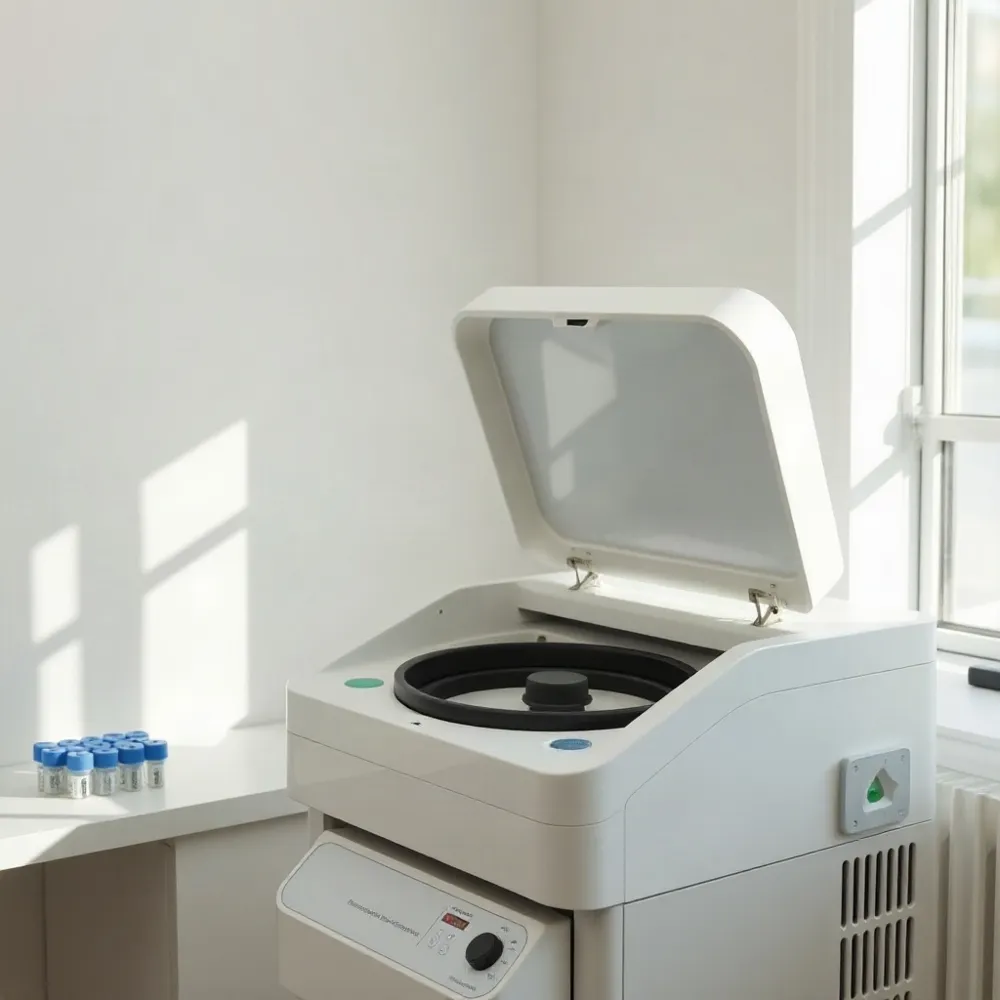 At Advanced Integrative Medicine in Merced, PRP is one option considered within a broader evaluation of musculoskeletal pain. The treatment uses a sample of a patient’s own blood, which is processed to concentrate platelets before the preparation is injected into a targeted area. A clinician may use imaging to guide placement.
Platelets release signals involved in the body’s healing response. For that reason, PRP may be considered for some tendon, ligament, muscle, and joint problems, including certain persistent injuries and osteoarthritis. The aim is to support healing and improve symptoms, not to promise a specific result or to show that damaged tissue will be rebuilt.
Research findings differ by condition and by how PRP is prepared and administered. The American Academy of Orthopaedic Surgeons’ overview of PRP notes that evidence varies across uses, with stronger support for some chronic tendon problems than for several acute sports injuries. A review of PRP in sports injuries also describes promising findings for selected conditions while noting that further research is needed to clarify treatment protocols (review of PRP in sports injuries).
Because studies use different protocols and patient groups, the evidence does not provide one dependable success rate or a reliable forecast for an individual. PRP should not be presented as a proven way to regenerate damaged tissue or as a guaranteed route to faster recovery.
A medical evaluation can help determine whether PRP fits the injury, health history, and treatment goals. At Advanced Integrative Medicine, that assessment informs a personalized plan, which may include PRP alongside coordinated chiropractic care or other conservative treatment. Patients can discuss expected benefits, limitations, and alternatives before deciding whether to proceed.
Stem Cell Treatments and Their Limits
 Stem cell treatment is not one standardized procedure. The cells or tissue used may come from a patient’s bone marrow or body fat, or from a donor, including donated umbilical-cord blood. The source, preparation, and handling vary, so patients should ask exactly what material a proposed treatment uses and whether it comes from them or a donor.
What does current evidence say about stem cell therapy for injuries?
Researchers are still studying these treatments, and findings differ by condition and preparation. Reviews of studies on knee osteoarthritis report possible modest improvements in pain and function, but confidence in those findings is limited because studies use different cell sources, doses, and methods. Evidence for other injuries is less established. A proposed ability to support tissue repair is not proof that a treatment reliably heals an injury or regrows cartilage. The USADA overview of stem cell therapies also cautions that research and evidence of effectiveness are ongoing.
Advanced Integrative Medicine in Merced evaluates musculoskeletal conditions before developing an individualized plan, which may include stem-cell treatment or other care. A clinician can explain how the evidence applies to a specific diagnosis and whether standard options, such as physical therapy, should be part of the plan.
Most stem cell treatments offered for orthopedic conditions in the United States are not FDA-approved. Before proceeding, ask about the exact treatment’s regulatory status, evidence for your condition, potential risks, costs, and alternatives. The FDA status and safety questions outlined by USADA are useful prompts for that discussion. A treatment’s biological rationale may be promising, but it should not be presented as an established clinical benefit.
Torn Ligaments Need Individual Assessment
Can PRP or stem cell therapy help heal torn ligaments? These treatments may be discussed as part of care, but neither is a proven way to repair every tear or avoid surgery. PRP delivers concentrated platelets to an injured area, yet evidence for ligament injuries remains developing and results vary. The AAOS overview of PRP notes that research on PRP for acute sports injuries is still under evaluation.
Stem cell treatment also has important limits. The USADA guidance on stem cell therapies explains that evidence for these treatments is still being studied, so they should not be presented as established ligament repairs. At Advanced Integrative Medicine in Merced, treatment planning begins with a comprehensive medical evaluation and an individualized approach to musculoskeletal pain.
The ligament involved, tear severity, overall health, and diagnostic findings all shape the options. A clinician may recommend rehabilitation to restore strength and stability; severe tears may require a discussion about surgery. Imaging can help clarify the injury, so avoid relying on self-diagnosis or choosing treatment based only on how much it hurts.
Reduced pain does not necessarily mean a ligament is ready for sport. Advanced Integrative Medicine emphasizes conservative, evidence-based care and may coordinate regenerative treatment with chiropractic care when appropriate. Ask a qualified clinician how the diagnosis, healing progress, and activity goals should guide a safe return.
Recovery Requires More Than an Injection
 An injection may be one part of care, but it does not replace a clear diagnosis or a plan for rebuilding movement. For some tendon, ligament, muscle, or joint injuries, a clinician may consider platelet-rich plasma (PRP) alongside activity changes and rehabilitation. Research on PRP for sports injuries is still developing, and results vary by condition and treatment approach, as a review of PRP in sports injuries explains.
Recovery also depends on the injury and its severity. Pain that settles does not necessarily mean the injured tissue is ready for sport, and returning too soon may bring symptoms back or cause further problems. A gradual return should reflect how the area responds, along with strength and everyday function, rather than a fixed timetable.
A clinician can help set the pace for increasing activity and decide whether physical therapy or other conservative care should accompany regenerative treatment. If progress is limited, the plan may need to be reassessed, including whether another treatment or surgery should be discussed. The goal is to match care to the injury and the person, not assume an injection will speed recovery.
PRP Risks and Safety Questions
PRP is prepared from a patient’s own blood, which reduces concerns such as rejection, but it is still an injection and is not risk-free. The American Academy of Orthopaedic Surgeons’ PRP guidance notes that injection-site pain can increase and that risks depend partly on the treatment area and the patient’s health.
Common short-term effects include soreness, pain, swelling, bruising, or stiffness around the injection site. Some people feel more discomfort before it settles. Less often, an injection may cause bleeding, infection, or injury to nearby nerves or tissue; a reaction to numbing medicine is also possible.
Before treatment, Advanced Integrative Medicine’s comprehensive evaluation can help clinicians consider a patient’s medical history, current medicines, and whether PRP is appropriate. Tell the clinician about blood disorders and all medicines or supplements you take. Do not stop prescribed medication unless your clinician advises you to.
Follow the aftercare instructions you receive, and contact your provider if symptoms worsen rather than improve. Fever, spreading redness, or severe swelling after an injection warrants prompt medical advice. A careful assessment and clear follow-up plan help address concerns without assuming every patient will respond in the same way.
Costs and Coverage Before Treatment
Does insurance cover PRP or other regenerative treatments, and what do they typically cost? Many plans do not cover these treatments for musculoskeletal conditions, but coverage depends on the insurer, plan, and specific procedure. Check directly with your insurer before scheduling, and ask what documentation it needs. The American Academy of Orthopaedic Surgeons’ PRP guidance also advises patients to check their coverage.
As a broad estimate, PRP may cost about $500 to $2,500 per injection, but prices vary by provider and region. This is not a quote from Advanced Integrative Medicine. A series can cost more, and stem-cell treatment has different pricing. At Advanced Integrative Medicine in Merced, treatment planning follows a medical evaluation, so ask for the expected costs for the plan recommended for your condition.
Request a written estimate that separates the evaluation, preparation, imaging guidance, injections, and follow-up care. Ask whether HSA or FSA funds or payment plans may be used, and confirm any terms before committing. A clear estimate helps you compare options without assuming that every service is included in the per-injection price.
Make the Next Step an Informed One
A careful medical evaluation can clarify what is injured, which treatments are reasonable, and whether regenerative care belongs in the plan. At Advanced Integrative Medicine in Merced, treatment planning begins with a comprehensive evaluation and an individualized approach to musculoskeletal concerns.
Before deciding, ask what evidence supports the proposed treatment for your specific injury, what risks it carries, what recovery may involve, and what alternatives and costs to consider. The American Academy of Orthopaedic Surgeons’ PRP guidance notes that results can depend on the condition and treatment, and that more research is needed across uses.
The best plan is not necessarily the one promising the quickest return to sport. It is the one that supports safe, lasting function and fits your health, goals, and recovery needs.