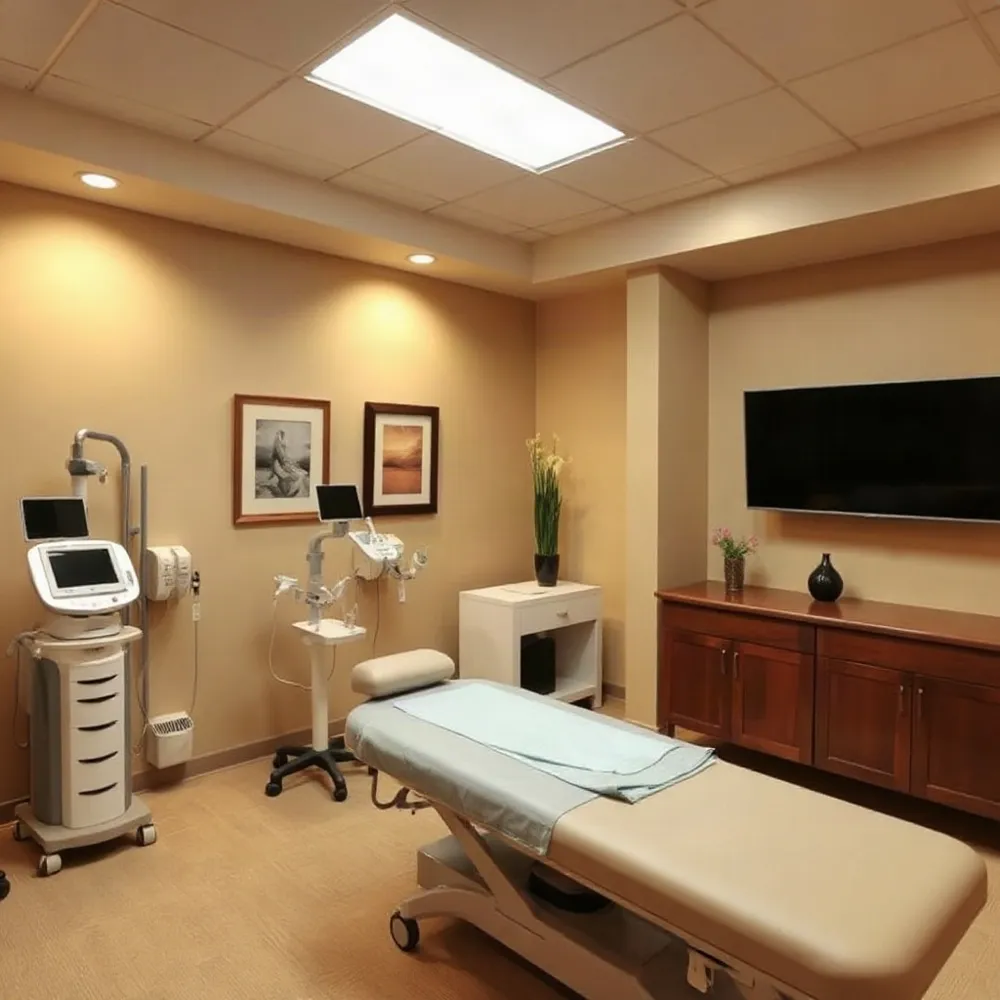
A New Path to Healing in Merced
For many people living with chronic back, neck, or joint pain, the options have long felt limited to two paths: manage the pain with medication or undergo invasive surgery. There is a third path that is gaining traction in Merced and across the country. By combining chiropractic care with regenerative medicine, such as platelet-rich plasma (PRP) therapy and stem cell treatments, patients can address both the structural and the cellular roots of their pain.
Chiropractic care focuses on aligning the spine and improving joint function, which relieves pressure on nerves and reduces pain. Regenerative medicine works at the tissue level, using the body's own cells to repair damaged ligaments, tendons, and cartilage. Together, these approaches offer a powerful, non-surgical alternative for people who want lasting relief without the risks of an operation.
This article explains how the combination of chiropractic adjustments and regenerative therapies can help patients in the Merced area reduce inflammation, avoid surgery, and regain an active lifestyle. Conditions such as herniated discs, osteoarthritis, and chronic tendon injuries often respond well to this evidence-based, patient-centered model of care.
Why Combine Chiropractic and Regenerative Medicine?
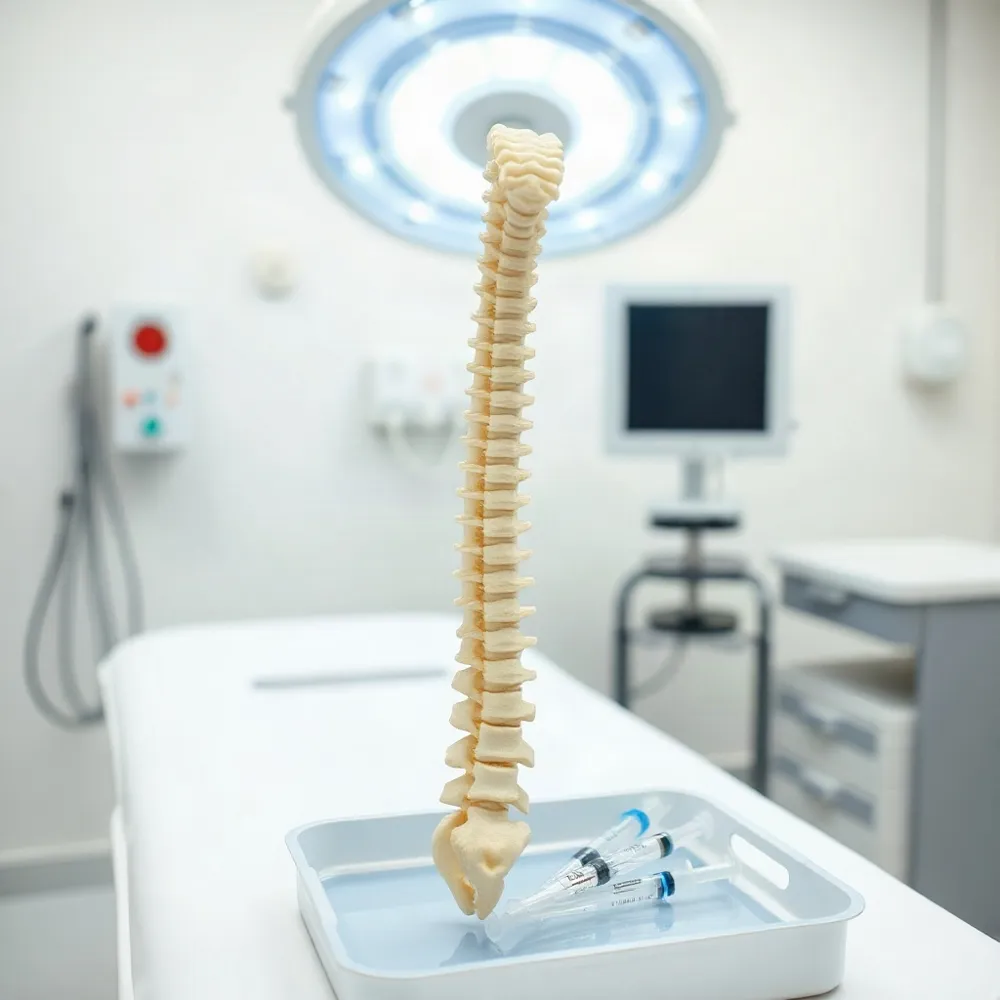 Recovering from an injury or managing chronic pain often requires addressing more than one cause. Chiropractic adjustments realign the spine and joints, reducing stress and inflammation on injured tissues. Regenerative therapies like PRP and stem cell treatments work on a deeper level, introducing growth factors or new cells to repair damaged ligaments, tendons, and cartilage.
This combination targets both the structural and cellular root causes of pain, not just the symptoms. A 2022 review notes that PRP contains growth factors that can promote healing in chronic injuries and reduce musculoskeletal pain, including conditions like knee osteoarthritis, low back pain, plantar fasciitis, and temporomandibular joint disorders. By addressing the alignment issue alongside the tissue damage, the body can heal more completely than with either approach alone.
At Advanced Integrative Medicine in Merced, Dr. Sangha develops personalized plans that integrate chiropractic care with PRP injections and stem cell therapy. This integrated strategy helps patients avoid surgery and long-term medication by promoting natural healing. Patients often experience faster recovery, improved mobility, and long-term functional improvement, offering a comprehensive path to lasting relief.
Understanding PRP Therapy for Pain Management
 For anyone in Merced dealing with persistent joint, tendon, or muscle pain, Platelet-Rich Plasma (PRP) therapy offers a non-surgical treatment option. PRP is a biological product made from a patient's own blood. A small blood sample is placed in a centrifuge, which spins it rapidly to separate the platelets and plasma from other blood components. The resulting concentrated solution is then injected directly into the injured area.
The mechanism behind PRP is straightforward: platelets contain growth factors that trigger cell reproduction and stimulate tissue regeneration. These growth factors work to accelerate the body's natural healing process, reduce inflammation, and promote long-term tissue repair.
Clinical evidence supports the use of PRP for a range of musculoskeletal conditions. For knee osteoarthritis, a study cited in a 2022 review showed that WOMAC scores improved by 44.7% with PRP compared to 12.6% with hyaluronic acid (source). The review also notes PRP can be effective for low back pain, tennis elbow, plantar fasciitis, and TMJ disorders, often providing symptomatic relief that can postpone the need for more invasive surgery.
Because PRP uses the patient's own cells, the risk of an allergic reaction is much lower than with other injectable medications like corticosteroids. While some temporary soreness at the injection site is the most common side effect, no serious adverse effects are typically observed.
At Advanced Integrative Medicine, PRP therapy is integrated into a comprehensive medical evaluation to determine the best approach for each patient. For those seeking natural pain relief and improved function without surgery, PRP provides a safe, evidence-based alternative aligned with the clinic's patient-focused philosophy.
Stem Cell Therapy and Chiropractic: A Natural Fit
 Stem Cell Therapy and Chiropractic: A Natural Fit
Stem cell therapy uses the body’s own cells to repair or replace damaged tissues. Stem cells can transform into different cell types, such as bone, cartilage, or muscle, and then migrate to an injured area to promote healing from within. This approach aligns well with the chiropractic philosophy of holistic, non-invasive care that supports the body’s natural ability to heal.
How the Two Approaches Work Together
A damaged tendon or degenerated joint often has both a structural problem (misalignment, limited mobility) and a tissue deficit (the cells themselves are worn or torn). Chiropractic care addresses the structural side by realigning the spine and improving joint mechanics. Research in the Journal of Chiropractic Medicine indicates that spinal adjustments can improve joint mobility and decrease inflammation, creating a more favorable environment for healing.
Stem cell therapy treats the tissue deficit directly. When a patient receives a stem cell injection, those new cells can begin rebuilding cartilage, tendon, or ligament. For this process to work efficiently, the surrounding joint must be stable and well-aligned. Chiropractic care provides that foundation. While stem cell therapy repairs tissues at the cellular level, chiropractic adjustments maintain alignment and prevent re-injury, supporting long-term recovery.
Many patients in Merced want to know whether these treatments can be combined in one visit. The answer requires a clear understanding of who can perform what. Chiropractors cannot independently perform stem cell therapy in most states because it falls outside their scope of practice. The actual injection must be performed by a medical physician, while chiropractic care provides complementary adjustments and rehabilitative support.
Clinical Research and Benefits
For neck pain specifically, clinical research backs the approach. A 2025 Phase I trial reported that 75% to 88% of patients experienced significant pain relief for up to 12 months after stem cell treatment. While chiropractic care alone can improve neck mobility and reduce stiffness, adding stem cell therapy addresses the underlying tissue damage that adjustments alone cannot fix.
For patients considering this combination, it is important to choose a clinic where a medical physician leads the regenerative portion and coordinates with chiropractic care. This coordinated model can include in-depth evaluation, a personalized plan that may include chiropractic adjustments and stem cell injections, and follow-up care designed to help patients regain function without surgery.
What to Expect: Recovery Timelines and Success Rates
Regenerative therapies work differently than pain medications or surgery. Instead of masking symptoms or replacing tissue all at once, they stimulate your body's natural repair mechanisms. This is a gradual process, and understanding the timeline helps set realistic expectations for your recovery.
PRP Injection Recovery Time
Most patients can return to daily activities immediately after a PRP injection, though mild soreness at the injection site is common for a day or two. Initial relief is often felt within the first week, with significant improvement in pain and function within four to six weeks. The full benefits of tissue remodeling and collagen production typically emerge around the three-month mark.
For conditions like knee osteoarthritis, PRP therapy shows success rates between 60% and 85%, with most patients experiencing pain reduction that can delay the need for surgery by years. For hair loss, studies report over 70-80% of individuals noticing increased density and reduced shedding. At Advanced Integrative Medicine, Dr. Sangha develops a personalized regenerative plan to help you achieve these outcomes safely.
Stem Cell Therapy: A Longer but Powerful Timeline
Patients typically notice improvements within 2 to 4 weeks after stem cell therapy, as the mesenchymal cells work to modulate inflammation and release healing signals. Over the next one to three months, many experience gradual gains in mobility. Optimal results for chronic conditions like osteoarthritis are often seen around four to six months, with some patients continuing to improve for up to a year. For back pain specifically, studies report that over 80% of patients achieve at least a 50% reduction in pain after treatment.
Stem cell therapy is a minimally invasive, non-surgical, and non-opioid approach. The key is patience: your body is rebuilding and strengthening damaged tissue, which is not instantaneous. A thorough evaluation with Dr. Sangha provides a realistic timeline based on your specific condition and overall health.
| Therapy | Initial Relief | Noticeable Improvement | Full Benefits | Success Rate |
|---|---|---|---|---|
| PRP Injection | 1-7 days | 4-6 weeks | 3 months | 60-85% (knee OA) |
| Stem Cell Therapy | 2-4 weeks | 1-3 months | 4-6 months | >80% (back pain) |
Can a Chiropractor Perform PRP or Stem Cell Therapy?
It is a question that comes up often for people exploring non-surgical pain relief: can a chiropractor actually perform these regenerative treatments themselves? The answer depends on which treatment we are talking about.
PRP Injections: Within a Chiropractor’s Scope
Many chiropractors are trained and licensed to perform PRP injections. The procedure, which involves drawing a patient's blood, concentrating the platelets in a centrifuge, and injecting the plasma back into the injured area, falls within the scope of chiropractic practice in many states after additional hands-on training and certification. Because PRP therapy directly complements chiropractic adjustments by targeting soft-tissue damage at the cellular level, it is a natural addition to a chiropractor's toolkit for treating conditions like tendonitis, arthritis, and joint pain.
The safety profile of PRP is well documented. A 2022 review in the Journal of Yeungnam Medical Science notes that the most common side effect is mild pain at the injection site, with no serious adverse effects observed — a fact that supports its use as a low-risk, non-surgical option.
Stem Cell Therapy: A Different Standard
Stem cell therapy is a different matter. The injection of stem cells is considered a medical procedure that requires a medical license in most states. A chiropractor cannot independently perform stem cell therapy. This is where a collaborative model becomes important.
An effective approach, and one used at Advanced Integrative Medicine, involves a chiropractor working alongside a medical physician. The physician, like Dr. Jaimal Sangha, leads the regenerative portion of the treatment, overseeing stem cell harvesting and injection. The chiropractor, in turn, provides spinal adjustments and joint care that create an aligned, low-inflammation environment for the new cells to thrive. This partnership ensures that patients receive both the precise medical oversight required for stem cell therapy and the structural support needed for optimal recovery.
For anyone considering regenerative treatment, the best path is a clinic where a medical doctor leads the therapy. This structure maximizes safety and effectiveness, giving patients a comprehensive, non-surgical solution for chronic pain.
Cost, Frequency, and Red Flags to Know
How Much Does PRP Cost?
The cost of a single PRP injection typically ranges from $400 to $2,000, with the exact price depending on the treatment area. For musculoskeletal issues like joint or tendon pain, a common focus at Advanced Integrative Medicine, you can expect to pay between $600 and $1,800 per injection. Many patients require a series of two to four treatments. Three-session packages generally fall between $1,500 and $4,500, often with a discount compared to single sessions.
Frequency of Chiropractic Care
There is no single schedule that is right for everyone. During an acute injury or flare-up, 2 to 4 visits per week for the first few weeks is common. As your condition improves, visits typically decrease to 1 to 2 per week for corrective care, eventually settling into a maintenance schedule of once every 4 to 6 weeks.
Red Flags to Watch For
A few warning signs can indicate a provider is not following evidence-based practices. Be cautious of exaggerated claims, one-size-fits-all plans, high-pressure sales tactics, and a lack of collaboration with other healthcare providers.
Another common myth is that your body releases toxins after a spinal adjustment. This is false. The mild soreness some people feel is due to muscles and joints adapting to improved alignment, not a "detox" process. Your liver and kidneys handle waste removal naturally.
A chiropractor can effectively treat wrist pain from conditions like carpal tunnel syndrome by restoring joint motion and reducing nerve compression. However, severe fractures or dislocations require emergency medical attention.
A Comprehensive Path to Lasting Relief
The combination of chiropractic care and regenerative medicine offers a powerful framework for addressing pain at its source. Chiropractic adjustments correct structural misalignments and improve joint function, while PRP and stem cell therapies stimulate cellular repair. Together, they treat both the framework and the foundation of the body, creating conditions for long-term relief that surgery or medication alone cannot provide.
This conservative, non-surgical strategy helps patients avoid invasive procedures and opioids by promoting the body's natural healing abilities. At Advanced Integrative Medicine in Merced, Dr. Jaimal Sangha and his team develop a personalized, evidence-based plan for each patient after a thorough medical evaluation. This ensures that every treatment is tailored to the individual's specific condition, whether it is chronic back pain, a sports injury, or a degenerative joint issue.
If you are ready to explore a treatment plan designed around your unique needs, schedule a comprehensive evaluation at Advanced Integrative Medicine. The clinic's patient-focused, compassionate approach has helped many in the Merced community regain mobility, reduce pain, and achieve a healthier, more active lifestyle without surgery.