
A New Path to Pain Relief in Merced
The human body has remarkable natural abilities to repair itself after injury. Regenerative medicine at Advanced Integrative Medicine, led by Dr. Jaimal Sangha, taps directly into this innate healing potential.
Instead of relying on surgery or long-term medication, stem cell therapy and PRP (platelet-rich plasma) offer non-surgical alternatives for common musculoskeletal pain in the back, knees, shoulders, and other joints. These treatments work by concentrating the body’s own healing cells and growth factors at the site of injury, reducing inflammation and promoting tissue repair stem cells in orthopaedics and sports injuries.
This article explains the science behind how stem cells work to naturally accelerate injury healing, so you can make an informed decision about whether this path is right for you.
The Science of Stem Cells: Nature's Repair Kit
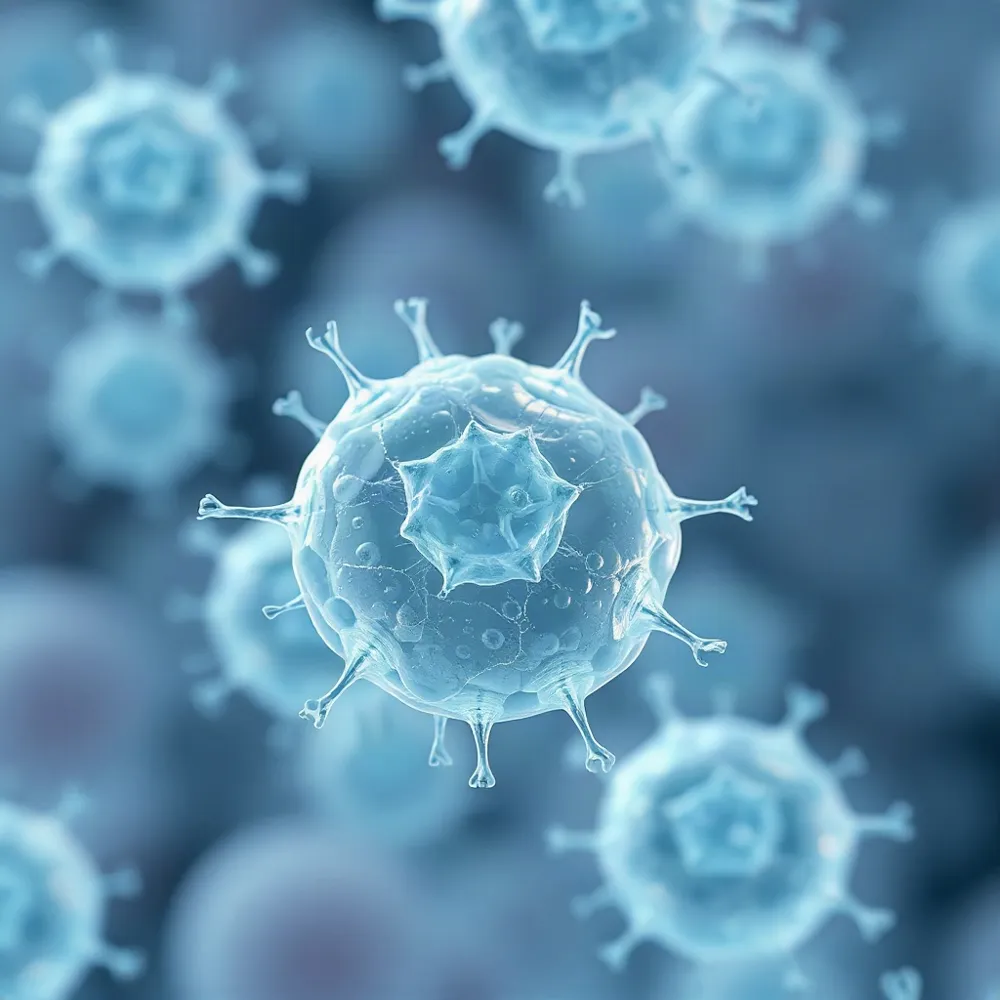 Stem cells are the body's master builders — undifferentiated cells with the unique ability to both self-renew (create more stem cells) and differentiate (transform into specialized cells). As the Mayo Clinic explains, no other cell in the body has this natural ability to generate new cell types. This makes stem cells essential for the maintenance of healthy tissue and for repair after an injury.
In regenerative medicine, the focus is on adult stem cells, particularly mesenchymal stem cells (MSCs). These are found in small numbers in most adult tissues — most commonly in bone marrow and fat tissue — and can develop into specialized cells needed for repair, such as bone, cartilage, and nerve cells. When injected into a damaged area — a knee, shoulder, or spine, for example — these cells help reduce inflammation and encourage the body to regenerate healthier tissue rather than forming scar tissue.
At Advanced Integrative Medicine in Merced, Dr. Jaimal Sangha applies this science in a practical, patient-focused way. Each patient receives a thorough medical evaluation to identify the root source of pain, followed by a personalized regenerative plan that may include stem cell therapy. The approach is conservative and evidence-based, targeting the cause of discomfort while supporting long-term functional improvement — all without the need for invasive surgery.
The goal is straightforward: restore mobility, reduce pain, and help the body heal itself naturally.
How Stem Cells Heal: More Than Meets the Eye
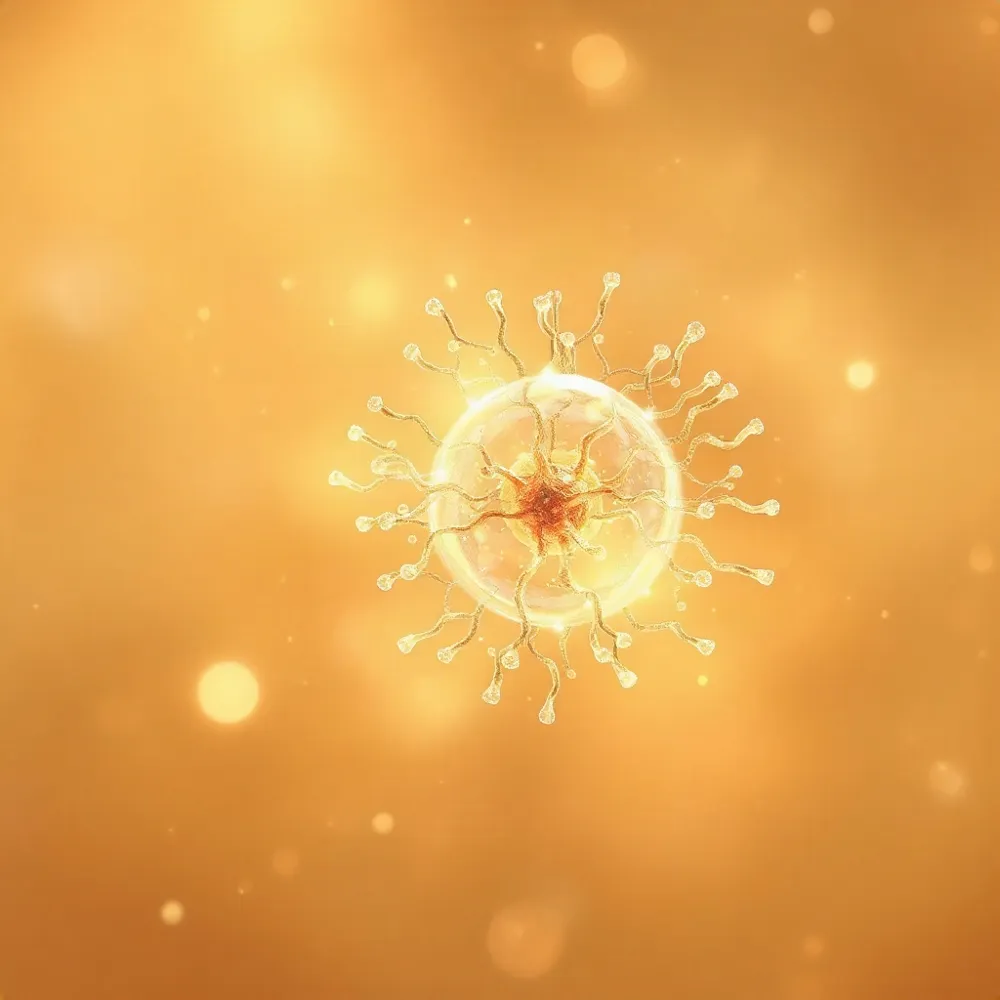 The healing power of stem cells extends far beyond simply replacing damaged cells. While their ability to transform into specialized cell types like bone, cartilage, or muscle is impressive, research shows that they orchestrate a much more complex repair process. According to studies from ScienceDirect and the Oxford Academic Press, mesenchymal stem cells (MSCs) primarily drive healing through paracrine signaling — the release of a powerful cocktail of bioactive molecules.
These secreted factors, which include growth factors and cytokines, perform several essential functions simultaneously. Stem cells can calm an overactive immune response through immunomodulation, reducing excessive inflammation that can lead to secondary tissue damage. They also promote angiogenesis, the formation of new blood vessels, which delivers vital oxygen and nutrients to the injured area. Additional mechanisms include anti-apoptotic effects that prevent healthy cells from dying prematurely and the remodeling of the extracellular matrix to help rebuild the structural framework of damaged tissue.
Together, these combined actions work to regenerate healthy tissue, minimize scar formation, and restore function. For patients seeking non-surgical pain relief at clinics like Advanced Integrative Medicine in Merced, this multi-pathway approach means that stem cell therapy addresses the root cause of an injury rather than just managing symptoms. The result is a more natural and lasting recovery process.
PRP: A Powerful Partner in the Healing Process
Platelet-Rich Plasma (PRP) therapy is a regenerative treatment that harnesses the body's own healing abilities to repair damaged tissue. PRP is a concentration of platelets derived from a patient's own blood, containing a high concentration of growth factors and healing properties used to promote tissue regeneration and accelerate the healing process.
How the PRP Procedure Works
The process is minimally invasive and typically completed in a single office visit. A small sample of blood is drawn, then placed in a centrifuge that spins rapidly to separate the platelet-rich plasma from other blood components. The concentrated PRP is then injected directly into the injured area using ultrasound guidance for precision. The procedure requires no incisions, causes minimal discomfort, and allows patients to return home immediately.
Growth Factors That Attract and Activate Stem Cells
The concentrated platelets in PRP release a powerful cocktail of growth factors that serve two purposes: they attract stem cells to the injured site and stimulate those cells to proliferate and differentiate. This paracrine signaling is a natural part of the body's repair cascade, effectively "calling in" mesenchymal stem cells from bone marrow and local tissue niches to begin rebuilding damaged ligaments, tendons, cartilage, and bone.
Clinical Applications in Orthopedics
PRP therapy is commonly used to treat joint pain (knee, hip, shoulder), chronic tendon injuries (tennis elbow, Achilles tendinitis, rotator cuff tendinopathy), ligament sprains and partial tears, meniscus injuries, and osteoarthritis. For meniscus tears, which have poor blood supply and struggle to heal on their own, PRP delivers concentrated growth factors that reduce inflammation and stimulate cellular repair, offering a non-surgical alternative to invasive surgery.
A Natural, Low-Risk Option
Because PRP uses the patient's own blood, the risk of allergic reaction or disease transmission is nearly eliminated. Side effects are limited to temporary soreness, mild swelling, or bruising at the injection site. The treatment avoids the risks of surgery, anesthesia, and synthetic medications, making it a safe, natural, and effective approach for pain relief and tissue repair. At Advanced Integrative Medicine, Dr. Jaimal Sangha develops personalized regenerative plans that may include PRP injections as part of a broader strategy to restore function and improve quality of life without invasive procedures.
Real-World Benefits and What to Expect
 Stem cell therapy offers a non‑surgical, minimally invasive path to pain relief by using your body's own cells to target the root cause of discomfort. After stem cells are harvested from your bone marrow or fat tissue, they are injected directly into the injured area, where they release growth factors that reduce inflammation and stimulate natural tissue repair. This approach can help rebuild damaged cartilage, slow degeneration, and support long‑term joint health without the recovery time or risks of open surgery.
Because the cells come from your own body, the chance of rejection or allergic reaction is very low, making the therapy a safe option for many patients. Sources such as NYU Langone and the ISPP Center confirm that this approach can significantly reduce pain and improve mobility. Research also indicates that combining stem cell treatments with physical therapy can enhance recovery, as the two approaches work together to restore strength and function.
At Advanced Integrative Medicine in Merced, a comprehensive medical evaluation is the first step. Dr. Jaimal Sangha and his team assess your condition to create a personalized treatment plan tailored to your needs. While therapy does not cure underlying conditions like arthritis, it helps your body heal itself, often leading to less stiffness, reduced pain, and a meaningful improvement in quality of life.
Navigating Your Care: Safety, Ethics, and Practical Questions
Are There Downsides to Stem Cell Therapy?
While stem cell therapy holds promise, it is important to understand current limitations. Outside of a few FDA-approved procedures for blood cancers and the recent approval of Ryoncil for pediatric graft-versus-host disease, most stem cell treatments remain unapproved and experimental. Predatory clinics often market unregulated therapies as "miracle cures," leading patients to endure expensive procedures with unknown safety profiles. Complications from such unapproved treatments can include infections, immune reactions, and a failure to provide relief. At Advanced Integrative Medicine, Dr. Jaimal Sangha emphasizes an evidence-based approach, ensuring that any regenerative plan is carefully evaluated for safety and appropriateness before treatment begins.
How Much Do PRP or Stem Cell Therapy Cost?
PRP injections at our practice typically fall within the national average, ranging from $500 to $2,000 per session. Stem cell therapy, for more complex regenerative protocols, generally costs between $5,000 and $25,000 per treatment. These prices vary based on the specific condition being treated and the number of injections required. Because these are advanced regenerative procedures, they are rarely covered by insurance and are paid out-of-pocket. During your comprehensive evaluation, we will provide a clear, personalized cost estimate and explain how our evidence-based approach compares favorably to the higher costs and risks of surgery.
Will My Insurance Cover These Treatments?
Most insurance plans currently classify PRP injections and stem cell therapy as experimental or investigational procedures, meaning they are not covered under standard health insurance policies. This is the case with major carriers including Medicare, Blue Cross Blue Shield, Cigna, Aetna, and United Healthcare. At Advanced Integrative Medicine, we provide a clear, upfront cost estimate before any treatment begins. While we do not bill insurance for these regenerative therapies, we are happy to discuss available payment options, such as CareCredit financing, to make your care more manageable.
What Can Stem Cells Fix or Cure in 2026?
In 2026, the only FDA-approved stem cell therapy remains hematopoietic stem cell transplantation for blood and immune system cancers, along with the landmark FDA approval of Ryoncil for pediatric graft-versus-host disease. Beyond these specific indications, all other stem cell treatments are still experimental and not yet proven to "fix" or "cure" conditions like joint pain or arthritis. This is why ethical practices emphasize a thorough medical evaluation and personalized regenerative plans that may include PRP injections and coordinated chiropractic care. For patients seeking relief from back, knee, or shoulder pain, focusing on proven non-surgical options like PRP and comprehensive integrative care is the most reliable path to functional improvement.
Led by Dr. Jaimal Sangha, a Chiropractic Specialist and Licensed Family Nurse Practitioner with advanced training in regenerative medicine, Advanced Integrative Medicine provides the thorough evaluation and personalized care needed to ensure safety and efficacy. The focus is on long-term functional improvement, not just masking symptoms.
Take the Next Step Toward Natural Healing
Stem cell therapy and PRP mark a shift from reconstructive surgery to regenerative approaches in orthopedics, focusing on the body’s own ability to repair and restore damaged tissue. At Advanced Integrative Medicine in Merced, Dr. Jaimal Sangha and his team apply these principles through a conservative, evidence-based model that prioritizes natural healing and long-term functional improvement.
Each patient begins with a thorough medical evaluation to identify the root source of pain, followed by a personalized treatment plan that may combine PRP injections, stem cell therapy, and coordinated chiropractic care. This approach has helped local patients reduce pain, improve mobility, and avoid invasive procedures.
If you are ready to explore non-surgical options for pain relief, visit the clinic at 544 W 25th St, Merced, CA 95340, or call (209) 242-8670 to schedule your comprehensive evaluation and take the first step toward a healthier, more active life.