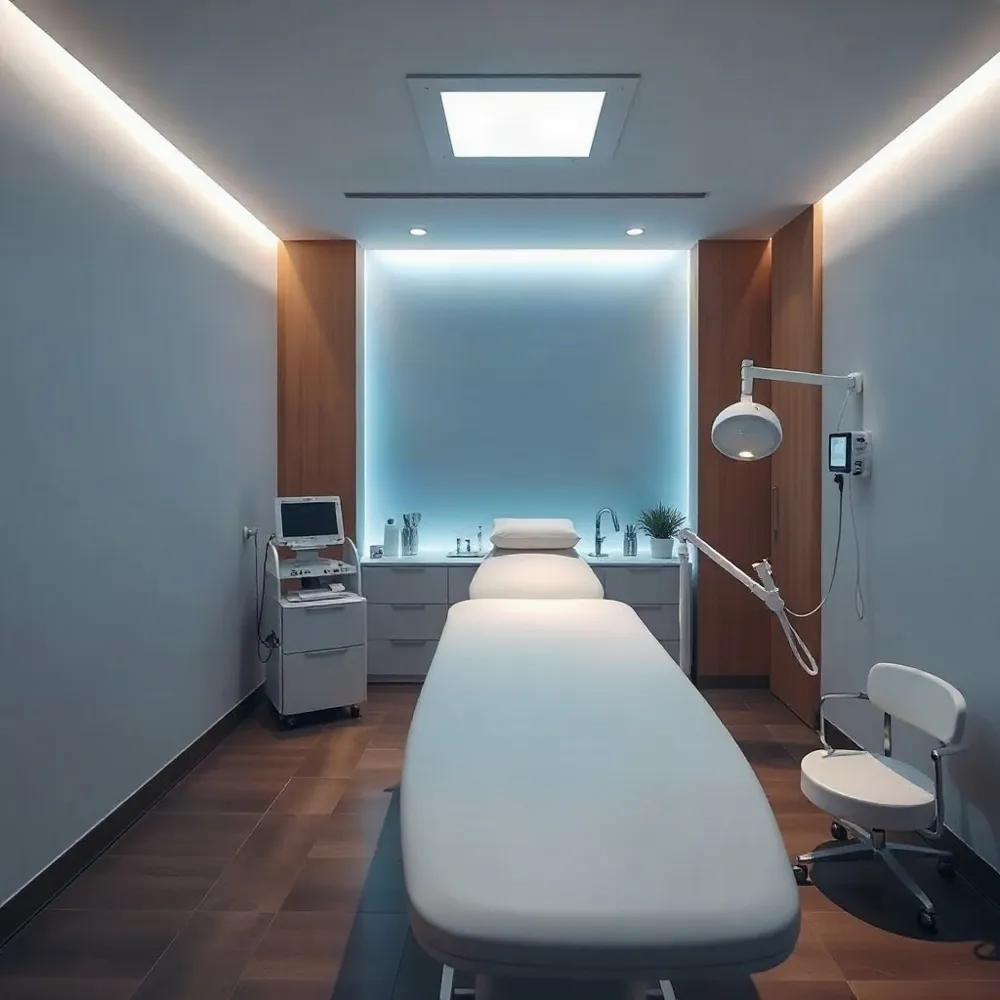
A New Choice in Pain Relief for Merced
For residents of Merced living with chronic back, knee, or shoulder pain, the standard options have long been surgery or long-term medication. Regenerative medicine offers a third path: using the body’s own cells to repair damaged tissue and reduce inflammation at its source, rather than just masking symptoms. This approach focuses on stimulating natural healing, aiming for lasting relief and improved function without invasive procedures or ongoing drug dependence.
At Advanced Integrative Medicine, Dr. Jaimal Sangha provides these therapies to local patients seeking a conservative, evidence-based alternative. With a decade of experience and a focus on personalized care, Dr. Sangha and his team evaluate each patient’s condition and create a tailored plan that may include platelet-rich plasma (PRP) injections or stem cell therapy. This approach aligns with a growing preference in the Merced community for natural, non-surgical solutions that prioritize long-term well-being.
The pages ahead examine why more local patients are choosing regenerative care — exploring how these treatments compare to surgery, which conditions they address best, and what results people can realistically expect. Whether you are dealing with osteoarthritis, a sports injury, or persistent back pain, understanding this option could change how you think about your own path to relief.
Understanding Regenerative Therapy for Pain
 Regenerative therapy for pain is a non-surgical approach that uses your body's own cells to promote healing and reduce discomfort at the source, rather than simply masking symptoms. Common treatments like Platelet-Rich Plasma (PRP) therapy concentrate growth factors from your blood, which are then injected into painful areas such as knees, hips, or the spine to reduce inflammation and support tissue repair.
A more advanced option is Bone Marrow Aspirate Concentrate (BMAC) therapy. This procedure involves aspirating bone marrow from the back of the patient's pelvis to concentrate stem cells and growth factors, which are then reintroduced to the injured area to help rebuild damaged cartilage, tendons, and ligaments. Researchers at places like the Hospital for Special Surgery are actively studying these treatments to better understand how they work and for whom they are most effective.
It is important to understand that these therapies are not intended to regrow lost tissue wholesale. Instead, they change the environment around injured areas by calming inflammation and encouraging natural healing. This makes regenerative medicine a powerful, evidence-based alternative to surgery or reliance on pain medications for many chronic musculoskeletal conditions, and local practices in Merced now offer these options to patients seeking lasting relief.
Comparing PRP and Stem Cell Options
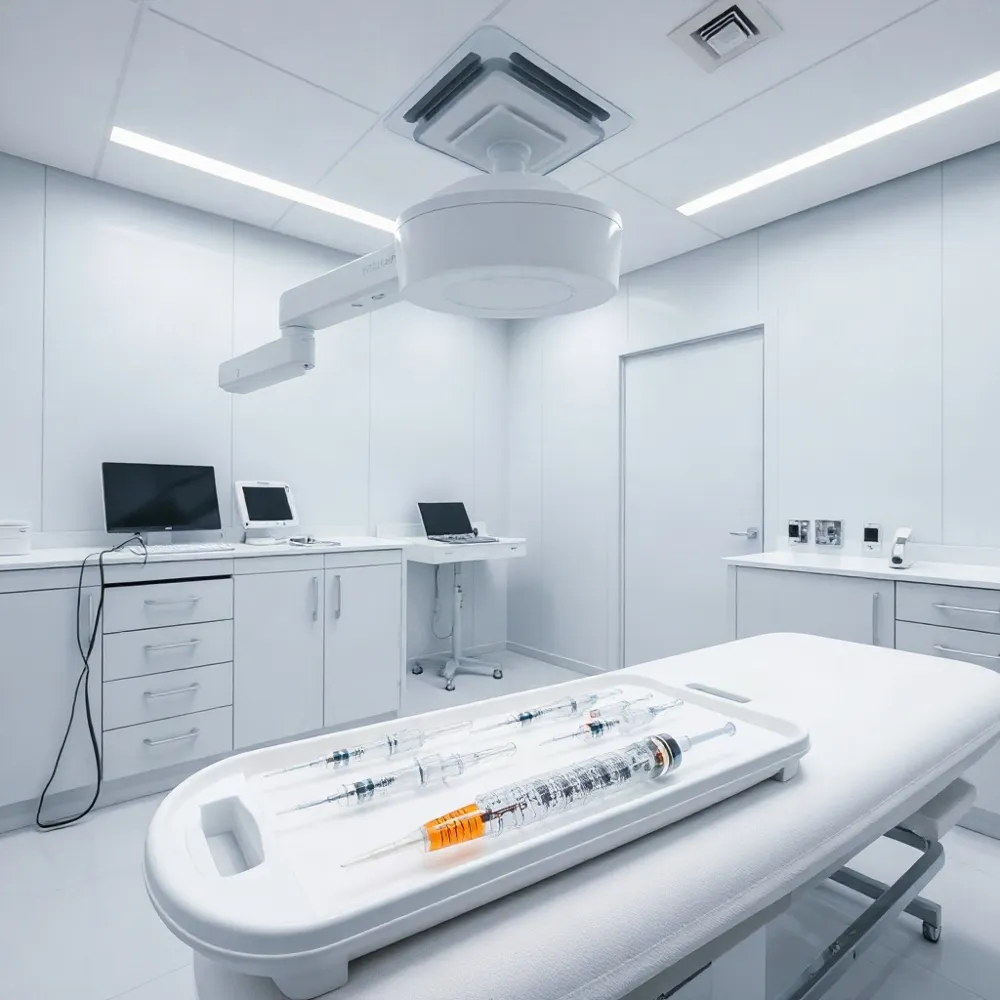 Regenerative therapies fall into two main categories. PRP (platelet-rich plasma) therapy uses a concentration of the patient's own platelets, which are rich in growth factors that accelerate tissue repair and reduce inflammation. Stem cell therapy uses undifferentiated cells harvested from bone marrow or adipose (fat) tissue that can differentiate into specialized cells, regenerating damaged tissue in areas like cartilage, muscle, and tendon.
Because both treatments use the patient's own cells, the risk of allergic reaction or rejection is extremely low. At Advanced Integrative Medicine in Merced, Dr. Jaimal Sangha and his team perform a comprehensive evaluation before recommending either approach, ensuring the therapy matches the severity of the condition and the patient's recovery goals.
PRP is generally recommended for milder conditions such as early-stage arthritis, tendonitis, ligament sprains, and soft-tissue injuries. Patients often notice improvement within a few weeks and can return to daily activities in one to three days. However, the effects may last only six to twelve months for some conditions, meaning follow-up injections might be needed.
Stem cell therapy is better suited for more advanced degeneration, such as severe osteoarthritis, cartilage loss, or chronic partial tendon tears. It typically provides longer-lasting benefits because the stem cells regenerate new tissue rather than just stimulating repair. Recovery time is slightly longer (a few days to a week), and full benefits may take several months as the body gradually rebuilds tissue.
PRP and stem cell therapies can be used together to produce synergistic results. PRP delivers a concentrated dose of growth factors that help guide and support newly introduced stem cells, creating a more favorable environment for tissue regeneration. For patients with chronic joint pain or arthritis, this combination can produce more significant and lasting improvement than either therapy alone.
Choosing between PRP and stem cell therapy depends on the specific condition, how advanced the damage is, and the patient's personal goals. A provider's recommendation after a full diagnostic workup ensures the right fit. Dr. Sangha's decade of experience guiding Merced patients through these options provides a conservative, evidence-based alternative to surgery.
What Conditions Respond Best
Regenerative therapies using PRP and stem cells address a broad spectrum of orthopedic and musculoskeletal conditions by stimulating the body's natural repair mechanisms. They offer a non-surgical path to healing for patients with persistent pain in joints, tendons, and soft tissues.
Chronic joint pain in the knees, shoulders, hips, and ankles responds well to these treatments, particularly when caused by osteoarthritis, cartilage degeneration, or sports-related injuries. The University of Miami Sports Medicine Institute notes PRP is effective for conditions like rotator cuff injuries, tennis elbow, Achilles tendinosis, and plantar fasciitis. Stem cell therapy is often recommended for more severe cases such as advanced osteoarthritis, chronic partial tendon tears, and meniscal tears in the knee.
Back and neck pain, including degenerative disc disease, are also common targets. Research cited in a PMC review found that stem cell therapy can restore cellularity in intervertebral discs and reduce inflammatory mediators, with some studies reporting 81% to 91% improvement in MRI signal intensities. At Advanced Integrative Medicine in Merced, Dr. Jaimal Sangha develops personalized regenerative plans that may include PRP injections, stem cell therapy, and coordinated chiropractic care for these conditions.
Other conditions that respond to regenerative care include carpal tunnel syndrome, TMJ disorders, auto-injury recovery, and even hair loss. Each case begins with a comprehensive medical evaluation to determine the best approach. By addressing root causes rather than masking symptoms, these therapies help improve mobility, reduce inflammation, and support long-term recovery.
Benefits Beyond Simple Symptom Relief
Regenerative therapies do more than mask pain. They address the underlying damage by delivering concentrated healing factors directly to the injured site. Treatments like platelet-rich plasma (PRP) and stem cell injections use your own cells to repair cartilage, tendons, and ligaments far more efficiently than natural recovery alone.
Because the therapy uses the patient's own blood or bone marrow, there is virtually no risk of an adverse immune reaction or rejection of foreign material. For patients with chronic conditions such as arthritis, degenerative disc disease, or persistent tendonitis, this means a natural reduction in inflammation and pain without the side effects associated with long-term medication use.
At Advanced Integrative Medicine in Merced, Dr. Jaimal Sangha creates personalized plans that focus on actively improving the health and strength of bones, muscles, and connective tissue — not just symptom management. This conservative, non-surgical path to lasting relief and restored mobility helps patients return to the activities they enjoy.
Realistic Expectations: Cost, Insurance, and Safety
 Before choosing a regenerative treatment, patients should understand the costs involved and how they fit into their healthcare budget. A single PRP injection typically ranges from $500 to $2,000, while stem cell procedures can cost between $5,000 and $25,000 or more, depending on the condition being treated. At Advanced Integrative Medicine, patients receive a personalized treatment plan after a comprehensive evaluation, with all costs discussed transparently during the consultation.
Most insurance plans, including Medicare, do not cover PRP or stem cell therapy, as they are generally classified as elective or experimental procedures. Patients at practices like Advanced Integrative Medicine typically pay out-of-pocket and should confirm their individual plan details with their insurance provider.
One of the primary concerns for patients is safety. Both PRP and stem cell treatments are considered very safe when performed by a qualified provider because they use the patient's own cells and blood components, which minimizes the risk of rejection or allergic reaction. Minor side effects like injection-site discomfort, swelling, or bruising are possible but resolve quickly.
FDA Status and Choosing a Provider
Patients should be aware that stem cell therapy for orthopedic conditions is not generally FDA-approved. The FDA has issued warnings about unapproved regenerative injections, and the Hospital for Special Surgery notes that "the marketing is ahead of the science in a lot of areas." At Advanced Integrative Medicine, the focus remains on evidence-based regenerative options like PRP and approved therapies administered under a physician-guided plan.
Most patients describe the injection procedure as relatively comfortable, with local anesthetic used to numb the area. Recovery time is short, especially compared to surgery; patients often return to normal activities within a day or two. The real focus is on gradual healing over the following weeks as the therapy works to reduce inflammation and repair damaged tissue.
Who Benefits Most from Regenerative Care
Regenerative medicine is not a universal solution, but it offers a promising path for many people living with chronic pain. A good candidate is typically someone with persistent musculoskeletal pain who has not achieved lasting relief from medications or physical therapy.
Ideal Candidates and Common Conditions
Chronic joint pain. Patients with arthritis, tendonitis, or degeneration in the knees, hips, shoulders, or back often respond well. Stem cell injections can help rebuild cartilage and reduce inflammation in these areas.
Recovery from injuries. Individuals healing from auto accidents, sports injuries, or overuse injuries benefit from the tissue-repair properties of PRP and stem cell therapies. These treatments can speed up recovery and reduce the need for surgery.
For many, the appeal is a personalized, conservative approach that prioritizes long-term functional improvement over temporary symptom relief. At Advanced Integrative Medicine in Merced, each patient receives a comprehensive medical evaluation before a tailored plan is created.
What Outcomes Can You Expect?
Success rates vary, but studies report significant pain relief and improved function for conditions like knee osteoarthritis. Many patients see noticeable improvement within weeks, with the full benefits of tissue repair unfolding over several months.
Rather than promising a universal cure, regenerative care aims to reduce inflammation, restore mobility, and help patients avoid invasive surgeries. Dr. Jaimal Sangha and his team at Advanced Integrative Medicine focus on evidence-based treatments that match each patient's specific condition and health goals.
Hearing from Patients and Finding Care in Merced
For many people, the most convincing evidence for a new treatment comes from those who have already tried it. Patient testimonials often report that regenerative care at Advanced Integrative Medicine reduced chronic back, neck, and knee pain, often after years of suffering with no lasting relief from other approaches.
Several patients describe a return to activities they thought were behind them, such as walking comfortably, climbing stairs, squatting, dancing, and gardening. Many noted improvement, with pain decreasing within days to weeks after treatment, and functional gains continuing to progress over several months. Avoiding surgery was a frequently cited benefit, given their concerns about invasive procedures and lengthy recoveries.
What to Expect from a Regenerative Medicine Consultation in Merced
Advanced Integrative Medicine, located at 544 W 25th Street in Merced and led by Dr. Jaimal Sangha, begins each patient's journey with a comprehensive medical evaluation. During this initial visit, the clinical team reviews your medical history, symptoms, and prior treatments. If regenerative therapy is appropriate, they will create a personalized plan that may include PRP injections, stem cell therapy, or coordinated chiropractic care.
The practice emphasizes short-term relief alongside long-term functional improvement, prioritizing natural healing and avoidance of invasive procedures. Patients highlight the care they receive throughout the process. To learn if this treatment is right for your back pain and to discuss next steps, you can schedule a consultation by calling (209) 242-8670 or (209) 383-3090.
Making an Informed Choice for Lasting Relief
For Merced residents seeking an alternative to surgery or long-term medication, regenerative care offers a natural path that addresses the root cause of pain rather than masking symptoms.
A thorough medical evaluation followed by a personalized treatment plan ensures each patient receives the approach best suited to their condition. At Advanced Integrative Medicine, Dr. Jaimal Sangha and his team focus on delivering high-quality, non-surgical pain management in a supportive, community-oriented setting.
If you are ready to explore your options, scheduling a consultation is the next step toward lasting relief and improved quality of life.