
A Non-Surgical Option to Explore
Joint pain and stiffness can make walking, climbing stairs, or completing everyday tasks harder. When medication or other conservative care has not provided enough relief, some people look for options that do not involve surgery.
Platelet-rich plasma (PRP) is an injection made by processing a small sample of a patient’s own blood to concentrate platelets. The aim is to support the body’s healing response and reduce symptoms, though exactly how PRP works is not fully understood. Research on osteoarthritis is developing, and results can vary according to Johns Hopkins Medicine.
At Advanced Integrative Medicine in Merced, a medical evaluation helps shape a personalized plan that may include PRP alongside coordinated care. PRP is not a cure, a guaranteed substitute for surgery, or a proven way to rebuild cartilage. A clinician can discuss possible benefits, uncertainties, and alternatives based on your condition.
How PRP Is Prepared and Used
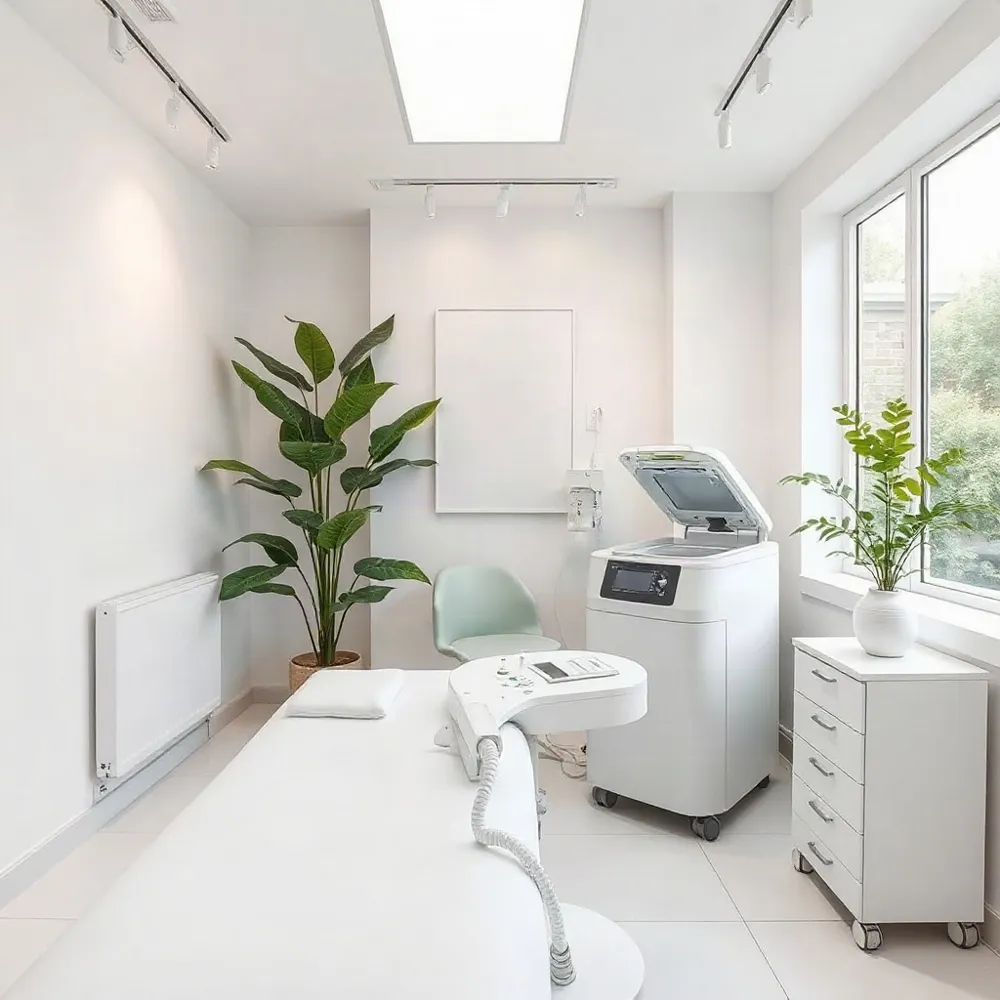 Platelet-rich plasma (PRP) therapy uses a concentrated portion of a patient’s own blood. A clinician draws a blood sample and spins it in a centrifuge, separating its components so platelets can be concentrated in plasma. Platelets release signaling proteins that may support tissue repair and influence inflammation.
The prepared plasma is injected into or around the painful joint. Ultrasound may be used to help guide the needle to the treatment area. The precise preparation and injection methods can differ between providers, so one clinic’s protocol should not be assumed to match another’s. Johns Hopkins Medicine’s overview of PRP explains the blood-processing and injection steps.
Although PRP is intended to support the body’s healing response, researchers do not fully understand how it reduces pain. In osteoarthritis, proposed effects include modulating inflammation and helping protect joint tissues. Evidence does not show that PRP reliably restores lost cartilage, and outcomes vary.
At Advanced Integrative Medicine in Merced, treatment planning begins with a medical evaluation, which helps relate the proposed injection to a patient’s symptoms and overall care needs. PRP is one possible non-surgical option, not a guaranteed substitute for surgery or other arthritis care; a clinician can discuss potential benefits, uncertainties, and risks for the specific joint condition.
What Osteoarthritis Evidence Can Tell Us
 PRP may be considered for some people with knee osteoarthritis when pain continues despite measures such as exercise, weight management, physical therapy, and pain-relief medication. It is a possible addition to care, not a replacement for these approaches or a treatment that suits everyone.
A 2025 retrospective study followed 252 people treated with PRP for osteoarthritis or cartilage damage in large joints. On average, participants reported less pain and better function at six and 12 months than before treatment. However, the study had no comparison group, and participants also received rehabilitation and, in some cases, other care, so researchers could not isolate PRP’s effect. The study offers useful context, not proof that PRP alone caused the improvements.
These group averages do not predict what one person will experience. The study included different joints, had varied follow-up periods, and did not use a single standardized treatment or rehabilitation plan. PRP preparation and injection schedules also differ across research, making results difficult to compare. Advanced Integrative Medicine in Merced evaluates each patient’s symptoms, health history, and needs before planning care, which may include PRP and coordinated chiropractic support.
Evidence is more developed for knee osteoarthritis than for many other joints, but important questions remain. Studies have not established that PRP reliably regrows damaged cartilage or stops osteoarthritis from progressing. A review of PRP care from Johns Hopkins Medicine also describes osteoarthritis evidence as developing and notes that PRP’s exact effects are not fully understood.
For severe knee arthritis or a misaligned joint, knee replacement may be more appropriate to discuss than PRP. PRP has not been proven superior to surgery or shown to prevent the need for it. A clinician can review examination findings and imaging with you, explain the trade-offs, and consider options such as rehabilitation, medication, injections, or surgery.
Comparing PRP With Other Injections
For knee osteoarthritis, cortisone and platelet-rich plasma (PRP) differ in how quickly they may ease pain. Cortisone can offer faster initial relief, while PRP may take several weeks to have a noticeable effect.
Research reviewed by Mayo Clinic suggests PRP may provide greater improvement than steroid injections later on for some people with knee osteoarthritis. The evidence is still developing, and neither injection should be presented as repairing cartilage or stopping arthritis. Individual responses vary, so a clinician can help weigh treatment goals, timing, risks, costs, and alternatives.
How long can pain relief from a PRP injection last?
Relief may last for months, but its duration depends on factors such as the condition, its severity, overall health, and activity. Some people notice changes within several weeks; others may take longer. PRP effects are not permanent or guaranteed, and whether another injection is appropriate depends on a patient’s response and clinical advice.
At Advanced Integrative Medicine in Merced, PRP is considered within a personalized regenerative plan, which may also include coordinated chiropractic care. It is one possible part of care, not a replacement for exercise, weight management, physical therapy, or surgery when a clinician determines surgery is appropriate.
Risks, Candidacy, and Recovery
 PRP injections are made from a patient’s own blood, which makes allergic reactions less likely than with some other injections, but does not remove every risk. Temporary soreness, swelling, bruising, or stiffness can occur, and symptoms may briefly feel worse before improving. Less commonly, an injection can cause bleeding, infection, or injury to nearby tissue or nerves. Johns Hopkins Medicine’s PRP overview describes these potential effects.
PRP is not effective for everyone. The benefit, how soon it appears, and how long it lasts can vary, and some people may need additional injections, which can add cost and inconvenience. At Advanced Integrative Medicine in Merced, treatment planning follows a medical evaluation, so suitability and options can be discussed in light of a patient’s condition and health.
Who may not be a good candidate for PRP therapy?
Blood or platelet disorders, a low platelet count, active infection, or problems with clotting or healing may affect whether PRP is appropriate. Cancer, pregnancy, and other significant health conditions also call for individual review. Blood thinners and anti-inflammatory medicines can affect planning, but do not stop or change a prescribed medicine without advice from the clinician who manages it.
What is recovery like after a PRP injection?
Tenderness or a temporary increase in pain may follow treatment. Follow the clinician’s instructions, limit strenuous activity at first, and return to usual activities gradually. The pace depends on the treated area, condition, and demands of the activity. Improvement may take several weeks or longer; Harvard Health Publishing notes that changes after a knee injection can take time to become noticeable.
Ask your clinician for a personalized rehabilitation and return-to-activity plan, including guidance for demanding exercise. Contact the clinic if symptoms worsen or you develop concerns such as increasing redness, marked swelling, or signs of infection. A follow-up discussion can help determine whether recovery is on track and what steps are appropriate.
Cost and Practical Questions
Cost is an important part of deciding whether PRP fits your care plan. Harvard Health reports a U.S. estimate of $500 to $2,500 per injection. This is not a quote for Merced, and actual prices vary by provider and treatment.
How much does PRP treatment cost, and what affects the price of a treatment plan?
The total may depend on the joint or area treated, the number of injections recommended, and whether image guidance is used. Because PRP is often not covered by insurance, confirm your coverage before scheduling.
Ask for an itemized estimate that includes the initial evaluation, injections, image guidance if applicable, and follow-up visits. At Advanced Integrative Medicine in Merced, a clinician evaluates each patient and develops a personalized regenerative plan, so request an estimate based on your needs rather than relying on a general price range.
PRP Beyond Joint Pain
PRP is also used in some approaches to hair loss, but this is a separate application from treatment for osteoarthritis. Research on joint injections does not show whether PRP will help someone’s hair grow.
Can PRP therapy help with hair loss, and how effective is it?
Results can vary with the cause and stage of hair loss, how the PRP is prepared, and a person’s response. Benefit is not guaranteed, and repeated treatments or maintenance may be considered. At Advanced Integrative Medicine, a medical evaluation can help identify the cause of hair loss and assess whether PRP or another approach may be appropriate.
Ask a clinician about expected benefits, uncertainties, alternatives, and the recommended treatment plan before proceeding.
Make the Decision With a Clinician
PRP may be a non-surgical option for some people with joint pain, but evidence is still developing and results are not assured. Research on large-joint osteoarthritis is encouraging, yet study limitations mean it cannot predict an individual’s outcome (2025 study).
Before deciding, ask a qualified clinician about your diagnosis and its severity, standard care, alternatives, potential risks, cost, and personal goals. At Advanced Integrative Medicine, a comprehensive medical evaluation informs a personalized plan that may include PRP and coordinated chiropractic care. Set realistic expectations: relief may take time, cartilage regrowth is not established, and PRP cannot guarantee that surgery will be avoided.